

Feral Cats
House a Mouser
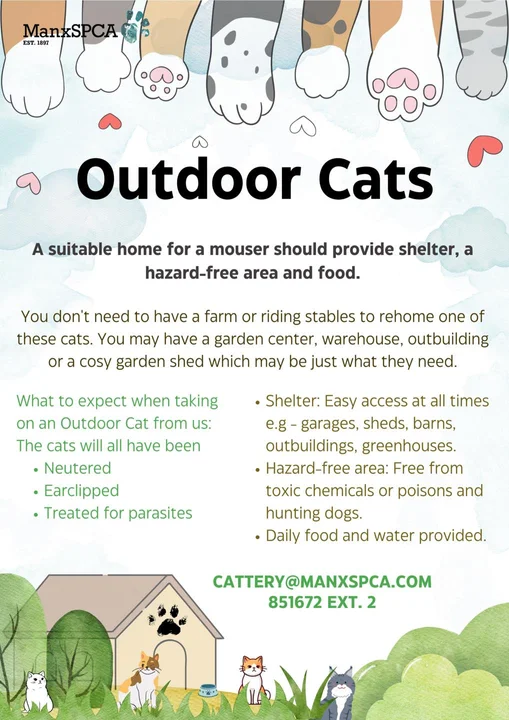
Some of the cats that come into our care are most suited to living independently outdoors. These ‘outdoor cats’ – also known as barnyard, stable or feral cats – need shelter, food, water and space to roam. Taking on an outdoor cat is more like being a ‘guardian’ than a pet owner, simply ensuring that their basic needs are met.
There are many reasons why some cats lead this type of lifestyle and are not suited to a ‘pet’ home. They may have lived for a long time as a feral cat and aren’t familiar with, or comfortable being close to, people and have never been inside a house.
These cats will have been through our TNR Trap, Neuter, Return (TNR) programme so will have been neutered and have a clipped ear to clearly demonstrate they are a neutered feral (ear tipping is performed by a vet under general anaesthetic, usually while the cat is being neutered, and involves removing the very tip of one ear).
When ‘mousers’ first arrive in their new homes it is advisable to keep them enclosed in a shed or stable for a few days, and then continue to provide them with food in the same place once they are free to roam. This will encourage them to stay in the area. You must be willing to continue to provide food and water for them.
If you are interested in taking on one or more feral cats, or would like further information, please contact the Cattery on 851672 ext.2 or send an email to cattery@manxspca.com.
Importance of Trap, Neuter, RETURN (TNR)
Feral cats can present significant challenges both to animal welfare and local ecosystems. Without intervention, their populations can explode leading to more cats living in undesirable conditions, competing for food and shelter, and at an increased risk of disease. Feline Immunodeficiency Virus (FIV) and Feline Leukemia Virus (FeLV) are two significant viral infections affecting our feral cats. FIV is a retrovirus that attacks the immune system, leaving cats vulnerable to various infections and diseases. FeLV, also a retrovirus, can lead to cancer and immune suppression. Transmission of FIV primarily occurs through deep bite wounds, making it more common among outdoor, unneutered male cats that engage in fights over territory and female cats.
Feral cats can have an adverse impact on the ecosystem by predating wildlife (birds, bats, small mammals, etc.) – both depleting the number of wild animals and affecting the food chain for other predatory species – sparrowhawks, for example.
TNR not only helps to reduce the number of kittens being born, but it also improves the health of the cats already in the feral cat colonies.
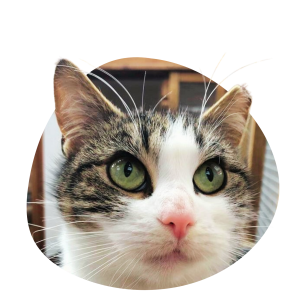
The ManxSPCA is committed to implementing the TNR programme in a compassionate and humane manner. It sets up and monitors its own trapping programmes, but also facilitates an outreach scheme.
Humane cat traps can be loaned by members of the public for a £50 refundable deposit, and full instructions are given to ensure maximum effectiveness and minimum stress for the captured cat.